
Imagine you’re about to tackle a tough job—maybe it’s in your garden, workshop, or at a construction site. You reach for your gloves, but wait!
Are you picking the right pair? The wrong gloves can lead to discomfort or even injury. You want to protect your hands, keep them clean, and ensure a firm grip. Choosing the right work gloves is essential, and that’s what this article is all about.
Dive in, and discover the variety of work gloves available. Understand which type suits your needs best, so you can work safely and efficiently. Whether you’re handling rough materials or delicate tasks, there’s a perfect glove out there waiting for you. Let’s find it together!
Overview Of Work Gloves
Work gloves are more than just protective gear; they’re your hands’ best friend on the job. Whether you’re handling rough materials or working in extreme temperatures, the right gloves can make a difference. Imagine the comfort and security of knowing your hands are shielded from cuts, scrapes, and burns.
Safety should be your top priority in any work environment. The right gloves safeguard your hands from potential hazards. Have you ever tried handling sharp tools without proper protection? It’s a risk you shouldn’t take. Investing in quality gloves means investing in your safety and peace of mind.
Consider the tasks you perform daily. Each activity may demand different levels of protection. Choose gloves that match the safety requirements of your work. This decision could prevent injuries and ensure you return home safely each day.
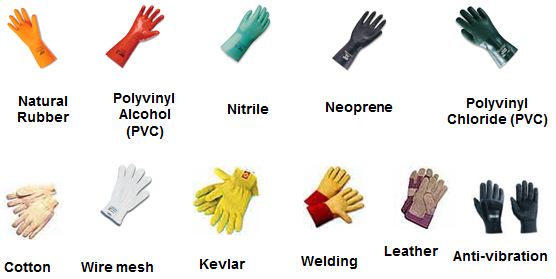
The material of your gloves can affect both comfort and protection. Leather gloves offer durability and are great for construction work. Cotton gloves are breathable and suitable for light tasks. Think about the jobs you tackle—do your gloves meet the demands?
Nitrile gloves are perfect for chemical handling, providing a barrier against harmful substances. Rubber gloves, on the other hand, are ideal for electrical work. The variety of materials available means there’s always a perfect pair for your specific needs.
What kind of gloves do you currently use? Evaluate whether they truly meet your work demands. Switching to a better material might improve your efficiency and safety.
Leather Work Gloves
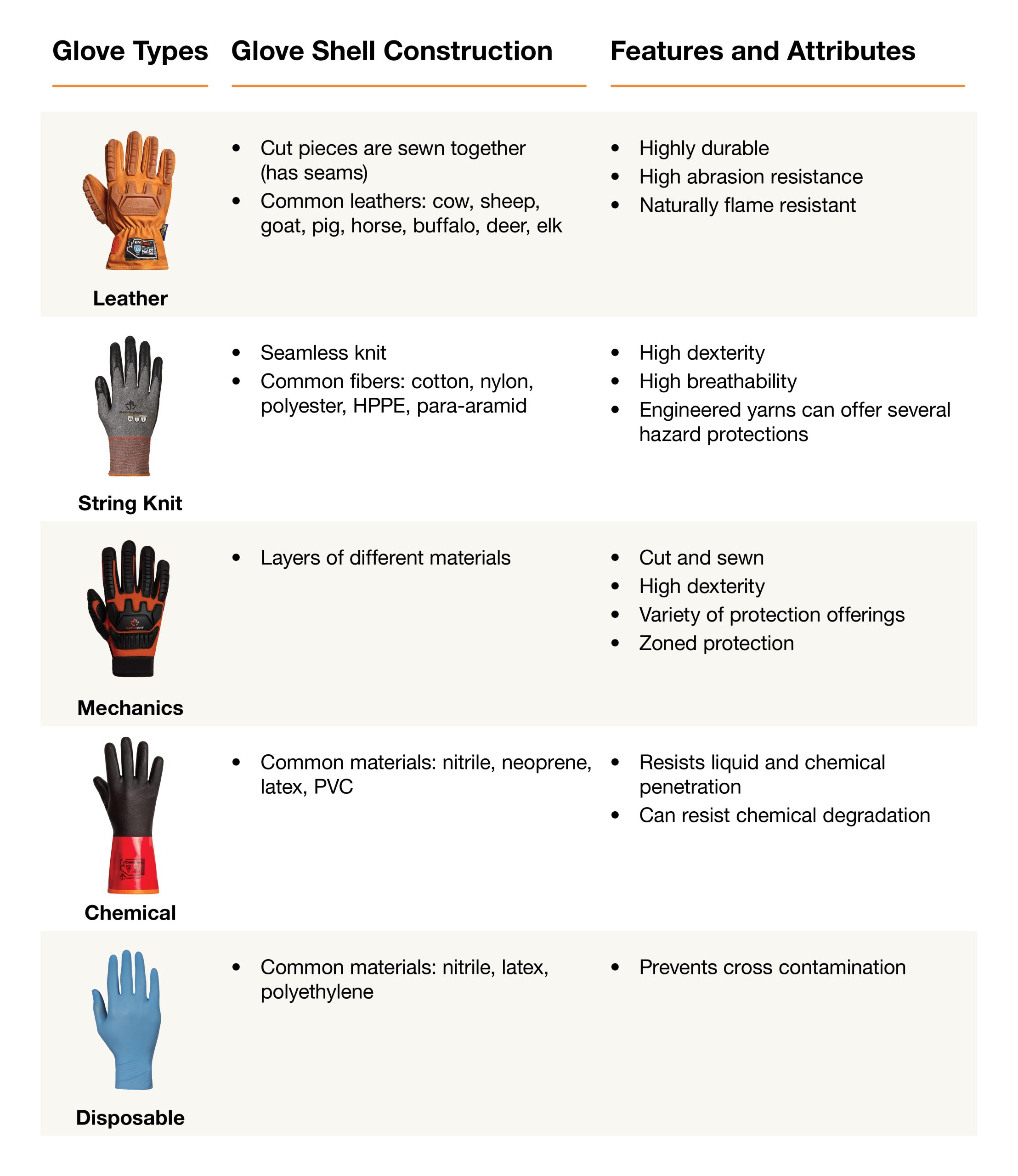
Different types of leather work gloves offer protection and comfort. Some are designed for heavy-duty tasks, while others are ideal for precision work. Choose based on your specific needs and the type of work involved.
Leather work gloves are a staple in many industries due to their unique combination of strength and flexibility. Unlike synthetic gloves, leather offers a natural feel that can adapt to different tasks. This makes them a popular choice for workers who need both protection and dexterity.
Durability And Comfort
Leather work gloves are renowned for their durability. The natural material resists wear and tear, making it ideal for tough environments. If you’ve ever had a pair, you know they can last through multiple projects without losing their shape. Comfort is another standout feature. The gloves mold to your hands over time, providing a custom fit. This means you can wear them for extended periods without discomfort. Have you ever experienced that “broken-in” feel with a pair of gloves that just seemed to become a part of you?
Ideal Applications
Leather gloves are perfect for a variety of applications. They’re commonly used in construction, welding, and farming. These industries require gloves that can handle heavy-duty tasks while keeping your hands safe. Consider using leather gloves for landscaping or woodwork. The material offers excellent grip and control, which is crucial when handling tools. Do you often find yourself working with rough materials or sharp objects? Leather gloves might be your best ally. So, when choosing work gloves, think about what you need most—durability, comfort, or versatility. Leather work gloves might just offer the perfect blend for your needs.
Cotton Work Gloves
Cotton work gloves are a popular choice for many workers. They offer comfort and a natural feel. Their lightweight design makes them easy to wear. These gloves are especially suited for tasks needing light protection.
Breathability And Light Protection
Cotton gloves excel in breathability. This feature keeps hands cool during long hours. The fabric allows air circulation, reducing sweat. Light protection is another benefit. These gloves shield against minor cuts and abrasions. They are ideal for tasks requiring a gentle touch.
Suitable Tasks
Cotton gloves are perfect for gardening. They protect hands while handling plants. Warehouse work benefits from their light protection. These gloves are also good for assembly tasks. They offer a comfortable grip without restricting movement. In farming, cotton gloves are used for harvesting. Their light fabric helps in picking fruits and vegetables.
Credit: www.bahrns.com
Rubber And Latex Gloves
Rubber and latex gloves provide essential protection in various environments. They are popular for their flexibility and comfort. These gloves are ideal for tasks needing precision and tactile sensitivity. Their use ranges from household chores to industrial applications. They serve as a reliable barrier against contaminants.
Chemical Resistance
Rubber and latex gloves excel in chemical resistance. They shield hands from harmful substances. This makes them suitable for handling acids and solvents. Their material structure prevents chemical penetration. Users can work with confidence in hazardous settings. This feature is crucial in laboratories and chemical plants.
Industries For Use>
These gloves are widely used in healthcare settings. Nurses and doctors rely on them for hygiene. They are vital in cleaning services too. Rubber gloves protect hands during sanitation tasks. They are also common in food processing industries. Workers use them to maintain safety and cleanliness. The manufacturing sector benefits from their protective qualities. They are essential for handling machinery and tools.
Cut-resistant Gloves
Cut-resistant gloves are essential for anyone handling sharp objects or working in environments where cuts are a common risk. These gloves are designed to protect your hands, allowing you to focus on the task at hand with confidence. Whether you’re slicing through kitchen prep or managing heavy-duty machinery, wearing cut-resistant gloves can make a world of difference in safety.
Materials For Protection
The magic behind cut-resistant gloves lies in the materials they use. Kevlar, one of the most popular choices, is known for its strength and durability. This material is often used in bulletproof vests, which speaks volumes about its protective capabilities. Yet, it’s surprisingly lightweight and flexible.
Another common material is Dyneema, which boasts high cut resistance and comfort. It’s often used in fishing lines and sails, emphasizing its strength in harsh conditions. Steel fibers can also be integrated into gloves, offering an additional layer of protection. The combination of these materials ensures that your gloves are tough yet comfortable.
High-risk Jobs
If you work in a field involving sharp tools or machinery, cut-resistant gloves are a must. Imagine being a chef chopping onions with a razor-sharp knife—one slip could lead to a painful injury. These gloves can prevent such accidents, letting you work efficiently without fear.
In construction, handling metal sheets or glass without the right protection can be dangerous. Handling metal sheets and glass protection dangerous. You might also find them indispensable if you work in the automotive industry, dealing with sharp metal parts.
Have you ever thought about the risks involved in your job? Investing in quality cut-resistant gloves can save you from potential accidents. They might seem like a small addition to your gear, but their impact on your safety is significant.
Impact-resistant Gloves
Impact-resistant gloves are a crucial type of work gloves designed to protect hands from heavy impacts and injuries. These gloves feature reinforced padding and durable materials to shield against harsh environments. Essential for industries like construction and manufacturing, they enhance safety without compromising comfort or dexterity.
When it comes to protecting your hands in tough environments, Impact-Resistant Gloves are a game-changer. These gloves are designed to shield your hands from heavy blows and vibrations. Whether you’re working on a construction site or engaging in a DIY project that involves power tools, these gloves can make a significant difference in your safety.
Reducing Hand Injuries
One of the primary benefits of impact-resistant gloves is their ability to reduce hand injuries. They are equipped with padding and protective materials that absorb shocks. This means fewer bruises, cuts, and fractures for you. Imagine you’re using a hammer all day. Without proper protection, the repeated impacts can strain your hands. But with impact-resistant gloves, the force is distributed across the glove, minimizing stress on your joints. These gloves also have a strong grip. This ensures that you maintain control over tools, reducing the chance of accidents. Imagine you using hammer. Have you ever lost grip on a tool and felt that moment of panic? With these gloves, that risk decreases significantly.
Best Uses
Impact-resistant gloves are ideal for various scenarios. Construction workers, for example, rely on them to handle heavy materials safely. The gloves protect their hands from sharp edges and falling objects. If you’re into woodworking, these gloves provide the right amount of protection without sacrificing dexterity. You can comfortably handle saws and other power tools, knowing your hands are safe. Even in automotive workshops, these gloves come in handy. They protect against the impact of heavy tools and parts, ensuring you can work efficiently without worrying about hand injuries. Think about the environments where your hands are at risk. Could impact-resistant gloves offer the protection you need? They’re not just a tool but an investment in your safety. By choosing the right gloves, you can focus on your work, knowing your hands are well-protected. Are you ready to enhance your safety gear?
Heat-resistant Gloves
Heat-resistant gloves are essential for tasks involving high temperatures. These gloves protect hands from burns and heat. Various types of work gloves cater to different industries, ensuring safety and comfort.
When dealing with high-heat environments, safety is paramount. Heat-resistant gloves are essential for anyone who frequently encounters intense temperatures. These gloves are specifically designed to protect your hands from burns and heat-related injuries. But what makes them so effective? Let’s take a closer look at how they handle high temperatures and the appropriate environments for their use.
Handling High Temperatures
Heat-resistant gloves are made from materials that can withstand extreme temperatures. This might include Kevlar, Nomex, or other synthetic fibers that are known for their thermal resistance. Such materials offer a barrier between your skin and the heat, ensuring your safety. Consider the time you tried cooking without proper hand protection. The brief contact with a hot pan was enough to remind you of the importance of heat-resistant gloves. They allow you to handle hot objects without hesitation, boosting your confidence in high-heat tasks. These gloves aren’t just about blocking heat; they also provide dexterity and comfort. You can grip tools or objects securely without compromising on safety. This is crucial in jobs where precision is as important as protection.
Appropriate Environments
Where should you use heat-resistant gloves? They are ideal in industrial settings like metalworking, glass manufacturing, and foundries. In these environments, workers often handle materials heated to hundreds of degrees. Even in kitchens, whether professional or at home, these gloves are invaluable. They let you handle hot pots and ovens effortlessly, reducing the risk of burns. If you love barbecuing, they can be your best friend while flipping burgers on a grill. Heat-resistant gloves are also useful in scientific labs where you might deal with hot liquids or equipment. They provide peace of mind, letting you focus on the task at hand rather than worrying about potential burns. Are you using the right gloves for your tasks? Ensuring you have the proper gear can make a significant difference in safety and efficiency. Always match your gloves to the environment and task requirements for the best protection.
Credit: www.ohscanada.com
Disposable Gloves
Disposable gloves come in various types, each suited for specific tasks. Latex offers flexibility, while nitrile provides puncture resistance. Vinyl is cost-effective, ideal for short-term use.
Disposable gloves are an essential part of our daily lives, especially in environments where hygiene and safety are paramount. These gloves are designed for single-use, making them a convenient choice for tasks that require frequent glove changes. They provide a reliable barrier against contaminants, ensuring that both you and the objects you handle remain clean and safe. Whether you’re preparing a meal or cleaning up spills, disposable gloves are a handy tool to have on hand. Imagine hosting a backyard barbecue. You want to keep your hands clean while handling raw meat and serving your guests. Disposable gloves let you switch between tasks without worrying about cross-contamination.
Single-use Convenience
The beauty of disposable gloves lies in their simplicity. You use them once, then toss them away. This feature is perfect for situations where you need to maintain strict hygiene standards. Changing gloves frequently is effortless. You don’t have to worry about washing or disinfecting them after every use. Their lightweight design adds to the convenience. You can carry several pairs without adding bulk to your bag or toolkit.
Common Applications
Disposable gloves are a staple in healthcare settings. Nurses and doctors rely on them to prevent the spread of germs during patient examinations. In the culinary world, chefs use these gloves to maintain food safety. They help keep ingredients uncontaminated, ensuring a safe dining experience. These gloves are also invaluable in cleaning tasks. From scrubbing bathrooms to wiping down surfaces, they protect your skin from harsh chemicals. Have you ever thought about how disposable gloves play a crucial role in your life? Next time you use them, consider the convenience and peace of mind they offer.
Specialty Gloves
Specialty gloves serve specific needs across various industries. These gloves offer protection and enhance performance. Designed with unique features, they cater to specific tasks. Let’s explore their industry-specific designs and unique features.
Industry-specific Designs
Many industries require tailored gloves for specific functions. Construction gloves often have reinforced palms. They protect against sharp objects and rough surfaces. Medical gloves provide a barrier against pathogens. They ensure safety during procedures. Cooking gloves resist heat and prevent burns. They are essential in professional kitchens. Each industry has unique requirements for gloves.
Unique Features
Specialty gloves come with distinct features. Cut-resistant gloves have durable materials. They protect hands from sharp tools. Heat-resistant gloves withstand high temperatures. Ideal for welders and chefs. Waterproof gloves keep hands dry. Perfect for outdoor and fishing activities. These features improve safety and efficiency. Choose the right gloves for your needs.
Choosing The Right Gloves
Choosing the right gloves can make a world of difference in your workday. Whether you’re in construction, gardening, or handling intricate tasks, the right pair can enhance your productivity and protect your hands. But with so many options available, how do you decide? Let’s break it down into key considerations.
Assessing Job Requirements
Before you buy gloves, think about what you’ll be doing. Are you handling sharp objects or working in cold weather? Each job has its own risks and demands. For example, if you’re a mechanic, you’ll need gloves that resist oil and provide grip. If you’re working outdoors in winter, insulated gloves are a must. Consider the materials your gloves are made from—leather for durability or synthetic fibers for flexibility.
Reflect on past experiences. Have you ever worn gloves that tore easily or felt too bulky? Learning from those moments can guide your choice. If you felt restricted by thick gloves, maybe try something thinner but still protective.
Ensuring Proper Fit
Fit is as crucial as the glove type. A glove that doesn’t fit well can hinder movement and decrease effectiveness. Always check the size chart before purchasing. Your gloves should feel snug but not tight, allowing fingers to move freely.
Take a moment to ask yourself: How do your current gloves feel? If they slip off easily or pinch your fingers, it’s time for a change. A well-fitted glove can make handling tools easier and more comfortable. Try them on if possible, or read reviews for insights from others with similar hand sizes.
Remember, the right pair of gloves will not only fit your hands but also your tasks. Choosing carefully can boost your efficiency and keep your hands safe. So, what are your glove requirements today?
Maintenance And Care
Maintaining work gloves ensures their longevity and performance. Proper care keeps them clean and functional. Regular maintenance prevents wear and tear. It also ensures safety during use. Following simple techniques can make a big difference.
Cleaning Techniques
Cleaning gloves extends their life. First, check the material type. Different materials require different cleaning methods. For leather gloves, use a damp cloth. Avoid soaking them in water. Use mild soap for stubborn stains. Rinse gently and air dry. For fabric gloves, machine wash on a gentle cycle. Use cold water to preserve quality. Avoid bleach, as it weakens fibers.
Rubber gloves need special care. Wash