Have you ever tried tightening a bolt, only to find out it wasn’t as secure as you thought? Or worse, over-tightened it and caused damage?
If these scenarios sound familiar, then it’s time to dive into the world of torque wrenches. Understanding torque wrench uses can be a game changer for anyone dealing with machinery, construction, or even simple DIY projects. Imagine having the power to apply the exact amount of force needed, ensuring everything from car engines to furniture is perfectly secure.
This tool can save you from costly repairs and ensure your projects stand the test of time. Curious to know how? Let’s explore why every household and professional toolkit should include a torque wrench.
What Is A Torque Wrench?
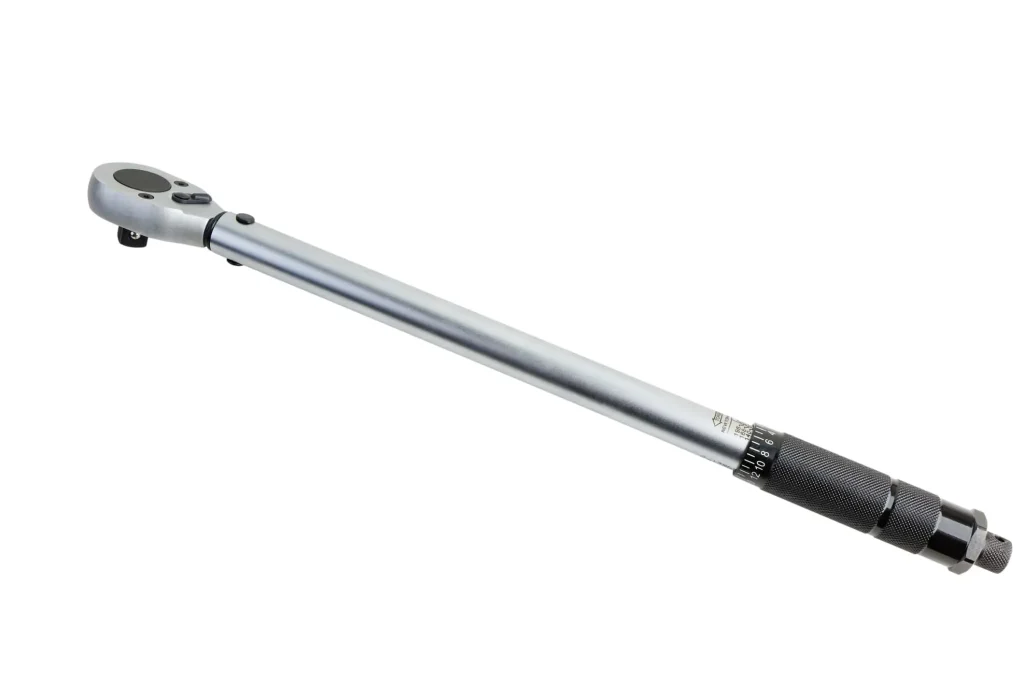
A torque wrench precisely applies a specific torque to a fastener, ensuring tightness without over-tightening. It’s essential for automotive repairs, machinery maintenance, and construction, offering accuracy and preventing damage in various applications.
Understanding the purpose and functionality of a torque wrench can transform how you approach projects, whether you’re assembling furniture or working on a vehicle. A torque wrench is a tool used to apply a specific amount of force to a bolt or nut. It ensures that the tension is just right—neither too loose nor too tight—making it essential for precision work. A torque wrench is not just another tool in your toolbox; it’s a game-changer for anyone who enjoys DIY projects or professional mechanics. This tool allows you to tighten fasteners, like bolts and nuts, to a specific torque value. Why is this important? Because applying the right amount of torque ensures that components are neither too loose to fall apart nor too tight to cause damage. Imagine putting together a piece of furniture without one. You might think hand-tightening is enough, but that can lead to wobbly legs or weakened joints over time. Using a torque wrench gives you peace of mind knowing everything is assembled securely. Different projects require different types of torque wrenches. Click-type torque wrenches are most common and are favored for their simplicity and accuracy. They produce a clicking sound to let you know when you’ve reached the set torque value. Beam torque wrenches are another variety, often used for simpler tasks where precision isn’t as critical. These require you to watch a scale as you apply pressure, which can be a bit tricky but are usually more affordable. Digital torque wrenches are the high-tech option. They provide a digital readout of the torque applied, offering the highest accuracy. These are perfect for professionals who need precision and reliability.
Why You Need A Torque Wrench
You might wonder if investing in a torque wrench is worth it. If you’ve ever stripped a bolt or had a wobbly assembly, you know the frustration of not having the right tool. A torque wrench saves you from these headaches. Imagine installing a bicycle tire. Without a torque wrench, you risk over-tightening and damaging the wheel or under-tightening, leading to an unsafe ride. With a torque wrench, you know the tire is secured exactly as it should be.
How To Use A Torque Wrench
Using a torque wrench is straightforward but requires attention to detail. First, set the desired torque level on the wrench. Then, place the wrench on the bolt or nut and turn it until you reach the set torque. For click-type wrenches, you’ll hear a click indicating you’ve reached the desired torque. Always double-check the settings before use. It’s easy to forget to adjust the torque level from a previous task. A simple mistake like this can lead to incorrect tension, compromising your entire project.
Maintenance And Care
To ensure your torque wrench lasts, proper maintenance is key. Store it in a protective case to avoid damage. Regularly check the calibration to maintain accuracy. Clean the tool after each use, removing any dust or debris. A well-maintained torque wrench will serve you reliably, project after project.
Types Of Torque Wrenches
Torque wrenches come in various types, including click, digital, and beam. Each type offers precise control for tightening bolts and nuts to specific torque levels. Essential in automotive, construction, and machinery maintenance, these tools ensure safety and efficiency in various applications.
Types of torque wrenches are essential in automotive and mechanical tasks. Each type serves a unique purpose. Understanding their differences is crucial for effective use. Let’s explore the main types you may encounter.
Beam Torque Wrench
The beam torque wrench is simple and reliable. It uses a pointer scale to show torque applied. The pointer moves over a scale as you turn the wrench. This type is durable with no moving parts. Suitable for those who prefer a no-nonsense tool.
Click Torque Wrench
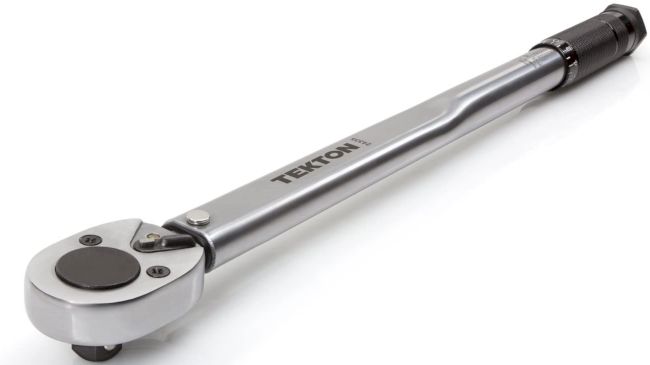
Click torque wrenches are very popular. They produce a clicking sound when the set torque is reached. This sound helps prevent over-tightening. The audible click makes it user-friendly. Ideal for those who need precision in their work.
Digital Torque Wrench
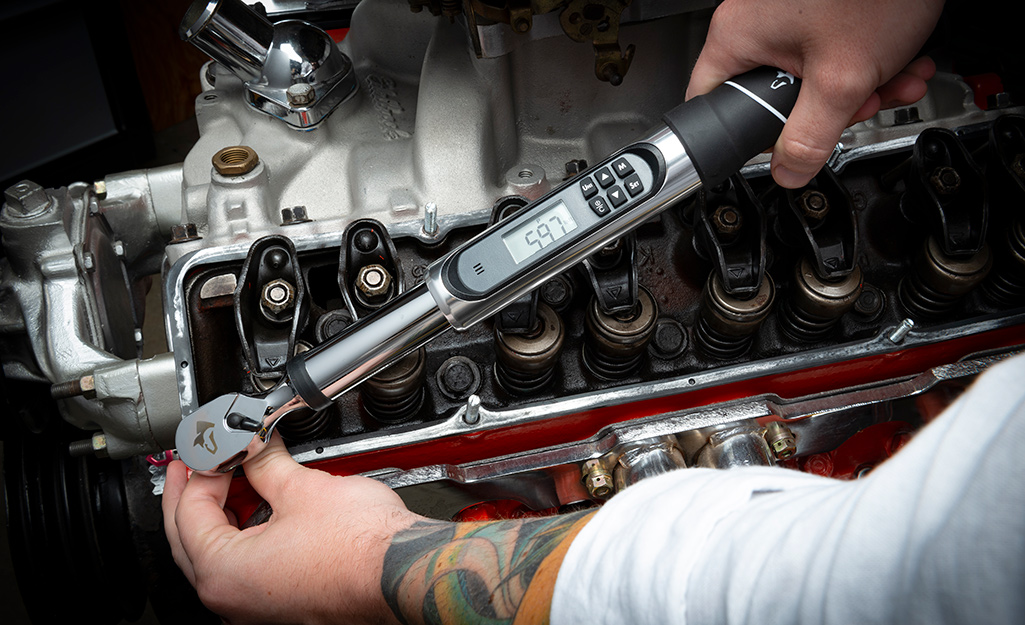
Digital torque wrenches offer advanced features. They display torque readings on a screen. Some models provide alerts through lights or sounds. This type is perfect for tech-savvy users. It ensures high accuracy in various settings.
Dial Torque Wrench
Dial torque wrenches have a dial gauge for torque measurement. They offer high accuracy and are often used in labs or industries. The dial is easy to read, reducing user error. Perfect for those needing precise torque readings.
Applications In Automotive Maintenance
Torque wrenches are essential in automotive maintenance for tightening bolts with precision. They prevent over-tightening, ensuring safety and efficiency. Mechanics rely on them for reliable engine repairs and wheel adjustments. Proper use extends vehicle lifespan and maintains performance.
When it comes to automotive maintenance, a torque wrench is an essential tool in your arsenal. Its ability to apply precise amounts of force can make all the difference in ensuring that components are correctly fitted and secure. From assembling engines to fastening wheel lug nuts and adjusting transmission components, understanding the uses of a torque wrench can enhance the safety and performance of your vehicle.
Engine Assembly
A torque wrench plays a vital role in engine assembly. Imagine tightening bolts on the engine head without knowing if they’re too loose or overtightened. The right torque ensures engine parts are tightly fastened without the risk of damaging the threads. Consider this: during my first engine rebuild, I underestimated the importance of torque specifications. It led to a blown head gasket and a hefty repair bill. Since then, a torque wrench has been my go-to tool for every engine assembly, ensuring each bolt is perfectly set.
Wheel Lug Nuts
One of the most common uses of a torque wrench in automotive work is tightening wheel lug nuts. Properly torqued lug nuts are crucial for wheel safety and performance. Over-tightening can damage the wheel and hub, while under-tightening can lead to dangerous driving conditions. Have you ever experienced a wobbling wheel on a drive? That unsettling feeling often stems from improperly torqued lug nuts. Next time you change a tire, remember to use a torque wrench to secure the lug nuts to the specified torque setting for peace of mind.
Transmission Components
The precision of a torque wrench is indispensable when working with transmission components. These parts are sensitive and require specific torque settings to function effectively. Incorrectly torqued transmission bolts can lead to leaks or misalignments, affecting vehicle performance. During a recent DIY transmission swap, my torque wrench proved invaluable. Without it, I could have easily misjudged the force needed, risking costly damage. If you’re tackling transmission maintenance, don’t overlook the torque specifications; your vehicle’s health might depend on it. Have you ever thought about how much force you’re applying when working on your car? A torque wrench takes the guesswork out of the equation, ensuring each component is correctly secured. So, next time you pick up your tools, consider the precision and reliability a torque wrench brings to automotive maintenance.
Credit: www.homedepot.com
Role In Industrial Settings
Torque wrenches are essential in various industrial settings. They ensure precise tightening of bolts and nuts. This precision prevents mechanical failures. Industries rely on these tools to maintain equipment efficiency and safety. Their use is widespread in manufacturing, assembly lines, and construction projects. Let’s explore their roles in these areas.
Manufacturing Equipment
Manufacturing facilities use torque wrenches to maintain machinery. Proper torque application keeps machines running smoothly. It prevents parts from wearing out too quickly. This prolongs the life of equipment. It also reduces downtime and repair costs.
Assembly Lines
Assembly lines need speed and precision. Torque wrenches help achieve this. They ensure each component is fastened correctly. This consistency is crucial for product quality. It minimizes defects and recalls. It also boosts customer satisfaction.
Construction Projects
Construction projects rely heavily on torque wrenches. These tools ensure the structural integrity of buildings. They make sure bolts and nuts are tightened to the right specs. This is vital for safety and durability. Torque wrenches help prevent accidents on site.
Importance In Aerospace Engineering
Torque wrenches play a pivotal role in aerospace engineering. Precision and accuracy are paramount when dealing with aircraft components. These tools ensure that parts are tightened correctly, preventing catastrophic failures. As you delve into the realm of aerospace, understanding the vital uses of torque wrenches can enhance your grasp of safety and efficiency.
Aircraft Assembly
During aircraft assembly, torque wrenches are indispensable. They guarantee that bolts and screws are tightened to the exact specifications. Imagine the complexity of assembling an aircraft without precise tools. Even a slight deviation can lead to operational hazards. Proper torque application ensures that each component fits seamlessly, enhancing the aircraft’s performance and longevity.
Maintenance Checks
Regular maintenance checks are critical for aircraft safety. Torque wrenches are crucial in these checks, ensuring every bolt remains secure. Have you ever wondered how engineers maintain consistency in such complex systems? It’s through tools like torque wrenches that they achieve uniformity. This precision helps in identifying potential issues before they escalate.
Safety Protocols
Safety protocols in aerospace rely heavily on torque wrenches. They help enforce stringent standards for component tightening. Consider the rigorous checks an aircraft undergoes before takeoff. Would you feel confident flying if you knew the bolts were not precisely tightened? Torque wrenches ensure that safety measures are met, providing peace of mind for passengers and crew alike.
Understanding these uses not only enhances your knowledge but also underscores the importance of precision tools in aerospace engineering. How might your perception of aircraft safety change knowing the pivotal role torque wrenches play?

Credit: www.wikihow.com
Benefits Of Precision
Precision ensures accurate torque application, preventing damage and enhancing safety. Torque wrenches provide consistent tightness, crucial for machinery efficiency. Proper use extends equipment lifespan, reducing maintenance costs.
Precision is key when using a torque wrench. This tool ensures that bolts and nuts are tightened to the exact specifications required, preventing over-tightening or under-tightening. The benefits of precision extend beyond just getting the job done right; they impact safety, efficiency, and cost.
Enhanced Safety
Safety is a primary concern in any mechanical work. A torque wrench helps you achieve the correct tension, reducing the risk of bolt failure. Imagine a car wheel coming loose because bolts weren’t tightened properly. That’s a disaster waiting to happen. With a torque wrench, you can ensure that every bolt is secure, providing peace of mind for you and those around you.
Improved Efficiency
Efficiency in any task saves time and resources. A torque wrench speeds up the tightening process by eliminating guesswork. There’s no need to double-check your work, allowing you to move on to other tasks. When you know that each bolt is precisely tightened, you can focus on the next part of the project, enhancing overall productivity.
Cost Reduction
Precision can save you money. Incorrectly tightened bolts can lead to equipment damage, resulting in costly repairs or replacements. By using a torque wrench, you prevent these expenses by ensuring each component is correctly secured. It’s a small investment that saves you from bigger costs down the line. Consider how often you’ve had to redo work because something wasn’t tightened correctly. Isn’t it worth using a tool that ensures accuracy from the start? Precision not only protects your investment but also enhances the quality of your work. Next time you pick up a torque wrench, remember the benefits it brings to your tasks. What could be more satisfying than a job well done, with the assurance that it’s built to last?
Selecting The Right Torque Wrench
Choosing the right torque wrench is essential for precise tasks. It ensures bolts and nuts are neither too loose nor too tight. Understanding various aspects helps in making the right choice. Let’s dive into the key considerations.
Understanding Torque Requirements
Different projects need different torque levels. Household tasks might require less torque. Industrial tasks may demand higher torque settings. Check the specifications of your task. This ensures proper tightening and safety.
Considering Material And Size
Material of the object affects torque needs. Softer materials require gentle torque. Harder materials can handle more force. Size of the bolt or nut is also crucial. Larger sizes typically need more torque. Match the wrench to the size and material for best results.
Evaluating Features And Technology
Torque wrenches come with various features. Digital wrenches offer precision and easy readings. Click-type wrenches provide an audible click at the set torque. Beam-type wrenches are simple and reliable. Consider the technology that suits your needs. Advanced features can enhance your experience.
Credit: www.flobikes.com
Proper Maintenance And Calibration
Ensuring your torque wrench functions accurately is crucial. Proper maintenance and calibration extend its lifespan and guarantee precise measurements. Regular care prevents unexpected failures and ensures reliability. Understanding the importance of these practices will keep your wrench dependable.
Regular Inspection
Inspect your torque wrench frequently. Check for signs of wear or damage. Look at the handle and head. Ensure all parts are intact. Notice any rust or corrosion. Regular inspection helps catch issues early. It maintains tool efficiency and accuracy.
Calibration Techniques
Calibrate your wrench every six months. Use a calibration device. Follow the manufacturer’s instructions. Ensure the wrench is set to zero before calibrating. Adjust settings carefully. Calibration maintains precision. It ensures your wrench measures correctly.
Storage Tips
Store your torque wrench properly. Keep it in a clean, dry place. Avoid exposure to moisture. Use a protective case if possible. Ensure the wrench is not under stress. Proper storage prevents damage. It extends the tool’s lifespan.
Frequently Asked Questions
What Are Common Uses For A Torque Wrench?
A torque wrench tightens bolts and nuts to specific torque values. It ensures proper tension in automotive, bicycle, and machinery maintenance. It’s used in construction for structural integrity and in plumbing to prevent leaks. Accurate torque prevents damage and enhances safety.
What Are Three Rules Of Torque Wrenches?
1. Always use torque wrenches for tightening bolts to prevent damage. 2. Set the correct torque value before use to ensure precision. 3. Store wrenches properly to maintain calibration and longevity.
Is It Worth Getting A Torque Wrench?
Yes, a torque wrench is worth getting. It ensures precise bolt tension, preventing damage and enhancing safety. Essential for automotive and DIY tasks, it saves time and money by avoiding overtightening issues. Investing in a torque wrench promotes accuracy and extends the lifespan of your equipment and projects.
Where Can I Use A Torque Wrench?
Use a torque wrench for tightening bolts on vehicles, machinery, bikes, and plumbing. Ensure precise bolt tension.
Conclusion
A torque wrench is an essential tool. It ensures precise tightening of bolts. This prevents damage and enhances safety in various applications. From car maintenance to construction, its uses are diverse. Proper torque control extends equipment life. It improves performance and reliability.
Understanding its functions saves time and effort. Regular tool maintenance keeps it accurate and effective. Remember, using a torque wrench correctly matters. It boosts efficiency and safety. So, invest time learning its uses. Your projects will benefit greatly.