Imagine you’re running late for an important meeting, and as you turn the key in your car’s ignition, all you get is a faint click. Your heart sinks as you realize the battery is dead, and there’s no charger in sight.
But don’t panic! There are ways to breathe life back into your car’s battery without a charger. Whether you’re stranded in a parking lot or stuck in your driveway, knowing these alternative methods can be a lifesaver. You don’t need to be a mechanic to do this; with a few simple tools and tricks, you can get your car back on the road in no time.
Ready to learn how? Keep reading, and you’ll be equipped with the knowledge that could save you from future headaches.
Credit: www.batterystuff.com
Jump Start With Another Vehicle
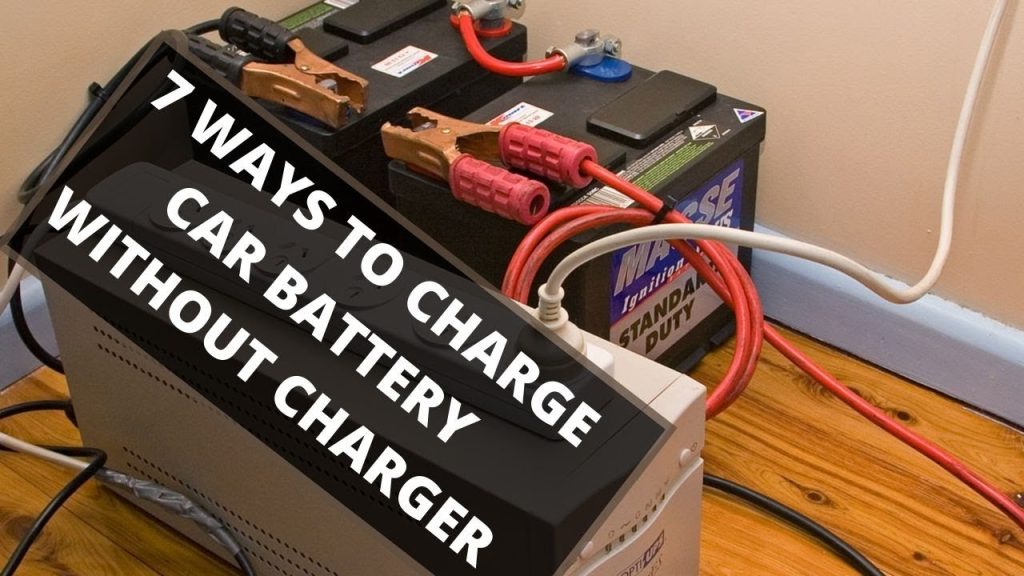
Need to recharge your car battery without a charger? Use another vehicle to jump-start it. Connect the jumper cables from the working car’s battery to the dead one. Start the working car, then try to start your car. This method provides a quick, easy solution to revive your battery.
When your car battery dies unexpectedly, it can throw a wrench in your plans. But don’t panic! You can recharge your car battery without a charger by jump starting it with another vehicle. It’s a simple process that can save you time and a call to roadside assistance. All you need are a set of jumper cables and a willing donor vehicle. Let’s dive into the steps to safely jump start your car.
Safety Precautions
Before you begin, ensure both vehicles are parked in a safe location, away from traffic. Turn off the ignition in both cars and remove any metal jewelry to prevent accidental shocks. It’s crucial to check both batteries for damage or leaks. If you find any issues, it’s best not to proceed and call for professional help.
Connecting Jumper Cables
Start by locating the positive and negative terminals on both batteries. The positive terminal is usually marked with a plus sign (+) and the negative with a minus sign (-). Connect the red jumper cable clamp to the positive terminal of the dead battery. Then attach the other red clamp to the positive terminal of the donor battery. Next, connect the black cable to the negative terminal of the donor battery. Finally, attach the remaining black clamp to an unpainted metal surface on the dead car, away from the battery. This will ground the connection and prevent sparks.
Starting The Donor Vehicle
With the cables securely connected, start the engine of the donor vehicle. Let it idle for a few minutes. This process transfers power to the dead battery. You might feel like you’re waiting forever, but patience is key.
Charging Your Car Battery
After allowing the donor vehicle to run for a few minutes, try starting your car. If it doesn’t start immediately, wait a little longer and try again. Once your car starts, leave it running for at least 15-20 minutes. This will allow the alternator to charge the battery sufficiently. Remember, a jump start is a temporary solution. Consider getting your battery checked by a professional soon. Have you ever found yourself in a similar situation, stranded with a dead battery? The relief of hearing your engine roar back to life can be immense. Always keep a set of jumper cables in your trunk. You never know when you or someone else might need them.
Using A Portable Jump Starter
Ever found yourself stranded with a dead car battery and no charger in sight? A portable jump starter might just be your knight in shining armor. It’s compact, easy to use, and can save you from waiting hours for roadside assistance. But how do you pick the right one and use it effectively?
Selecting The Right Jump Starter
Choosing the best jump starter is crucial. Look for one with ample power to handle your vehicle’s needs. Check the specifications carefully—pay attention to the voltage and amperage. Most cars require a 12-volt jump starter, but larger vehicles might need more.
Think about portability. Is it lightweight enough to carry around? Many come with additional features like USB ports for charging devices. These extras can be handy during emergencies.
Proper Setup And Connection
Setting up your jump starter correctly is key. Start by ensuring the jump starter is fully charged. Place it on a stable surface away from any moving parts in your car.
Connect the cables properly. Attach the positive cable to the positive terminal of the battery, and the negative cable to a metal part of the car. This prevents sparks and ensures safety.
Charging The Battery Efficiently
Once connected, turn on the jump starter. Give it a few minutes to transfer power to your car battery. You might be surprised how quickly it works!
Try starting your car. If it doesn’t work initially, wait a few more minutes. Sometimes batteries need a bit more time to absorb enough power to start the engine.
After your car starts, leave it running for a while to let the alternator recharge the battery. This ensures you won’t find yourself in the same predicament soon.
Have you ever used a jump starter in a pinch? How did it work out for you? Share your experiences and tips in the comments below!
Employing Solar Power
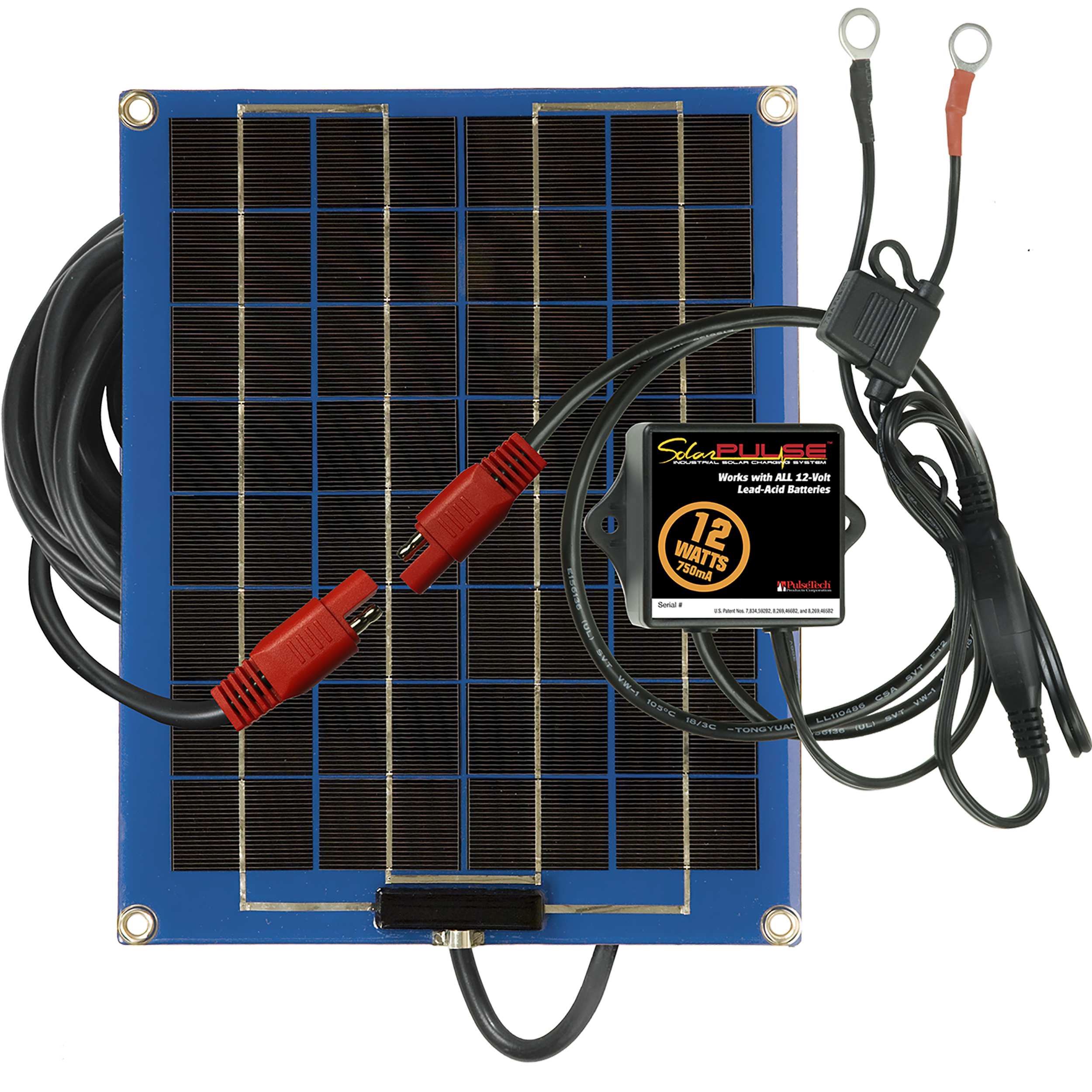
Recharging a car battery without a charger might seem daunting. But solar power offers a clean, efficient solution. Using sunlight to power your battery is eco-friendly and cost-effective. It harnesses the sun’s energy to rejuvenate your car’s battery.
Choosing A Solar Panel
Selecting the right solar panel is crucial. Ensure the panel has enough power output. Check its size and compatibility with your car battery. A panel with 12 volts output is ideal. Look for portable options for convenience.
Setting Up The Solar Charger
Setting up the solar charger is straightforward. Place the panel in direct sunlight. Connect the panel to the battery using clamps. Ensure the connections are secure. Avoid shaded areas to maximize energy absorption.
Monitoring The Charging Process
Keep an eye on the charging process. Check the battery’s voltage regularly. Ensure it doesn’t overcharge. Use a voltmeter for accurate readings. This helps prevent damage to the battery.
Charging times vary based on sunlight. Adjust the panel’s position for optimal exposure. This ensures efficient charging throughout the day.

Credit: www.youtube.com
Harnessing A Battery From Another Device
Recharging a car battery without a charger might seem challenging. Yet, with some creativity, it is possible. One method involves harnessing power from another device’s battery. This technique requires understanding, patience, and caution. It is a temporary solution, not a permanent fix. Let’s explore how you can achieve this safely and effectively.
Identifying Compatible Batteries
First, find a battery with similar characteristics. Look for a battery with a similar voltage and capacity. This ensures compatibility and safety. Check the battery specifications on both devices. A compatible battery reduces risks of damage or malfunction.
Connecting The Batteries Safely
Next, ensure you connect the batteries properly. Use appropriate cables for the connection. Ensure the cables are not damaged. Connect the positive terminals first. Then, connect the negative terminals. Secure the connections tightly. Loose connections can be dangerous.
Ensuring Proper Voltage Matching
Voltage matching is crucial for success. Verify both batteries have the same voltage. Mismatched voltages can lead to overheating. It can also damage the batteries. Use a multimeter to check the voltage. This step prevents potential hazards.
Using A Manual Charger
Charging a car battery manually without a charger might seem challenging. Yet, with the right guidance, it can be done safely and effectively. Using a manual charger requires understanding the process and ensuring the battery remains healthy. Manual charging involves using tools like jump leads, a donor battery, or a generator to transfer power. This method is practical when a traditional charger is unavailable. Let’s delve into how to achieve this.
Understanding Manual Charging
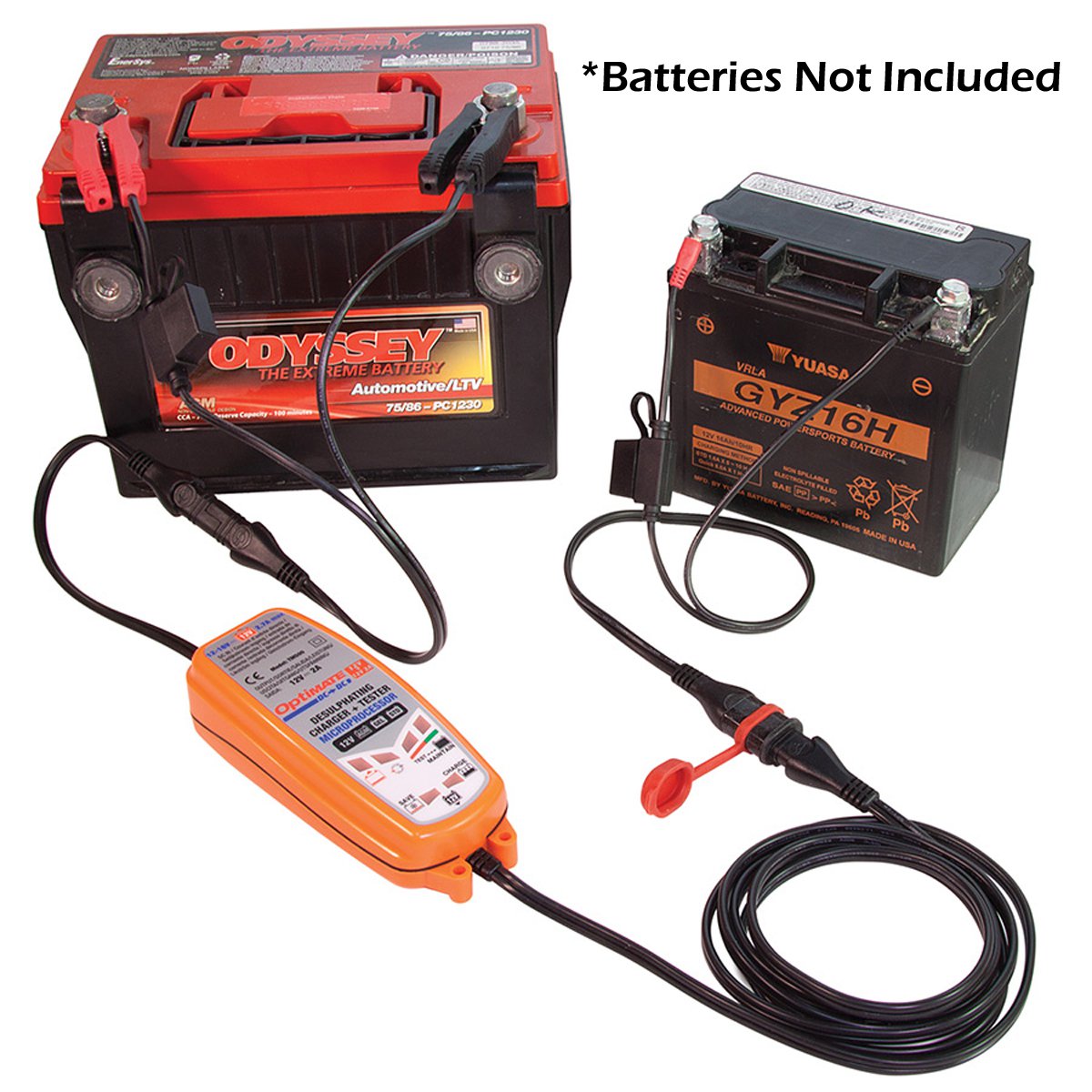
Manual charging uses an external power source to energize a car battery. It bypasses the need for a dedicated charger. Jump leads or cables connect the dead battery to another charged battery. A generator can also be used as a power source. This process requires careful handling to prevent damage. Ensure both batteries or the generator have matching voltage levels. Incorrect voltage can harm your car battery.
Step-by-step Charging Process
First, locate the car battery. Ensure the vehicle is off. Attach the positive cable to the positive terminal. Connect the negative cable to the negative terminal. If using a donor battery, ensure the donor vehicle is also off. Turn on the donor vehicle or generator. Allow the energy to transfer for 20 minutes. Check the battery’s charge periodically. Disconnect cables once charged. Restart your car to verify success.
Monitoring Battery Health
Regular battery checks are essential. Look for corrosion on terminals. Clean any build-up with a wire brush. Check for physical damage to the battery casing. Inspect for leaks or cracks. Use a voltmeter to measure battery charge. A healthy battery should read around 12.6 volts. Lower readings indicate issues. Consider replacing the battery if problems persist. Regular maintenance extends battery life.
Preventive Measures For Battery Health
Ensuring your car battery stays healthy can save you time and money. Preventive measures are essential to avoid unexpected battery failure. Regular checks can prolong your battery’s life. Simple steps can keep your battery in top condition. Let’s explore some effective strategies.
Regular Battery Maintenance
Regular maintenance is key to battery health. Clean the battery terminals to ensure a good connection. Inspect for any signs of damage. Check the fluid levels in the battery. Top up with distilled water if needed. A clean and well-maintained battery lasts longer.
Avoiding Deep Discharge
Deep discharge can harm your car battery. It occurs when the battery drains completely. Avoid leaving lights or accessories on when the engine is off. A discharged battery may not hold a charge well. Regularly driving your car charges the battery. Keep your battery charged to extend its life.
Checking For Corrosion
Corrosion can damage battery terminals. It appears as white or greenish deposits. Check for corrosion regularly to prevent issues. Clean it with a baking soda solution. Gently scrub with a brush and rinse with water. Keeping terminals clean ensures efficient power flow.
Credit: www.batterystuff.com
Frequently Asked Questions
Can I Charge A Car Battery Without A Charger?
Yes, you can jump-start your car battery using another vehicle’s battery and jumper cables. Drive the car for at least 30 minutes to recharge it. Another method is using a solar panel or a trickle charger, but these may take longer.
Always follow safety precautions.
Is There A Way To Charge A Car Battery Without Another Car?
Yes, you can charge a car battery without another car. Use a portable jump starter, battery charger, or solar charger. Ensure the device is compatible with your car battery type. Always follow the manufacturer’s instructions for safe usage.
How To Charge A Car Battery Manually?
Connect the battery charger to the car battery terminals. Ensure correct polarity. Set the charger to the appropriate voltage and amperage. Plug the charger into a power source. Monitor charging progress until complete. Disconnect the charger once fully charged.
What Household Items Can Jumpstart A Car Battery?
Use jumper cables and another car’s battery to jumpstart yours. You can also use a portable jump starter.
Conclusion
Recharging your car battery without a charger is possible. Basic items can help. You need jumper cables and a donor vehicle. Follow safety steps carefully. Connect the cables correctly. Start the donor car and wait a few minutes. Then, try starting your car.
If it starts, disconnect cables safely. Drive around to recharge more. Always check battery health regularly. Seek professional help if the battery issues persist. Remember, safety first in all steps. This simple method can solve urgent battery problems. Always keep jumper cables in your car for emergencies.