
Do you ever find yourself wrestling with the limitations of a single garden hose? Whether you’re trying to water a sprawling garden, fill up a distant pool, or reach that stubborn corner of your yard, a single hose often falls short.
But here’s the good news: you don’t need to buy a longer hose. You can easily connect two hoses together! Imagine the ease and efficiency of extending your reach without any hassle. This simple trick could transform your gardening experience, making it smoother and more enjoyable.
Curious about how to do it? Stick around, and you’ll discover the straightforward steps to connect two garden hoses seamlessly. Get ready to unlock the full potential of your garden with just a few simple tweaks!
Tools And Materials
Connecting two garden hoses requires a hose connector, two rubber washers, and adjustable pliers. The connector joins the hose ends securely, while the washers ensure a leak-free seal. Pliers tighten the connection, preventing water loss.
Connecting two garden hoses can be a simple task, yet it requires the right tools and materials to ensure a secure and leak-free connection. Whether you’re expanding your watering reach or setting up a more convenient garden layout, knowing what you need is crucial. Let’s dive into the essential equipment and how to choose the right hose for your gardening needs.
Essential Equipment
To start, you need a hose connector or coupler. This piece of equipment joins two hoses securely. Look for one made of durable materials like brass or high-quality plastic. Ensure it fits the diameter of your hoses. Don’t forget a wrench or pliers to tighten the connection. This prevents leaks and keeps the hoses firmly attached. A roll of plumber’s tape can be handy to wrap around the threads, providing an extra seal. A bucket or container to test for leaks is also useful. Once connected, run water through the hoses into the container. Check for any drips or breaks in the connection. Isn’t it frustrating to find leaks after connecting hoses? Ensure everything is right from the start!
Choosing The Right Hose
Selecting the appropriate hose is just as important as having the right connector. Consider the length; do you need a long hose for your expansive garden or just a short extension? Material matters. Rubber hoses are durable and can withstand heavy use. However, they might be heavier. Vinyl hoses are lightweight but not as strong. Think about your usage and storage needs. Check the hose diameter. A wider diameter allows more water flow, perfect for larger gardens. Smaller diameters are fine for simple watering tasks. Ever bought a hose that kinked constantly? Prioritize kink-resistant models for a smoother gardening experience. Choose wisely, and your garden will thank you!
Preparing The Hoses
Connecting two garden hoses can extend your reach in the garden. Proper preparation ensures a leak-free connection. Before starting, gather your hoses and check them carefully. This step saves time and reduces frustration.
Inspecting Hose Ends
First, inspect the ends of both hoses. Look for cracks or damage. Damaged ends can cause leaks. Replace any faulty parts to ensure a secure fit. Check the rubber washers inside the connectors. These small parts are crucial for a tight seal.
Cleaning Hose Connections
Clean the connections on both hoses. Dirt and debris can prevent a tight seal. Use a damp cloth to wipe away any grime. Pay special attention to the threads. Threads must be free of dirt for a snug fit. Clean threads help prevent leaks, saving water and keeping plants healthy.
Using A Hose Connector
Connecting two garden hoses is simple with a hose connector. Attach the connector to one hose end securely. Insert the second hose into the connector, ensuring a snug fit.
Connecting two garden hoses can seem like a simple task, but it requires the right tools to ensure a secure fit. Using a hose connector can make this process straightforward and efficient. Imagine you’re in the middle of watering your garden, and you realize your hose doesn’t quite reach the farthest corner. Rather than dragging and tugging at it, you can easily add another length by connecting a second hose. Let’s dive into how you can do this using a hose connector.
Types Of Connectors
Hose connectors come in various styles to suit different needs. The most common types are quick-connect and threaded connectors. Quick-connectors allow you to snap hoses together with ease, which is perfect if you frequently join and separate hoses. Threaded connectors offer a more secure fit, ideal for permanent or long-term connections. You might also encounter Y-connectors or splitters, which let you branch a single hose into two. This is useful if you’re trying to water two areas simultaneously. Consider what suits your garden setup best.
Attaching The Connector
Start by ensuring both hose ends are clean and free from debris. Dirt or grit can cause leaks, so wipe them down first. Then, attach your chosen connector by screwing or snapping it onto the hose ends. If you’re using a threaded connector, make sure it’s tight but not over-tightened to prevent damage. Check for leaks by running water through the hoses. A slight drip is normal initially but should stop with a minor adjustment. If leaks persist, recheck the fittings and ensure the connector is properly aligned. Have you ever struggled with a leaky hose connection, only to find you hadn’t tightened it enough? It’s a simple oversight but easy to fix. Double-checking your work can save you water and hassle. Engage in the satisfaction of seeing the water flow seamlessly from one hose to the next. Doesn’t it feel rewarding to solve such a simple problem efficiently? Consider how much easier your gardening tasks will be with this newfound flexibility in your hose setup.
Securing The Connection
Connecting two garden hoses is simple and efficient. Use a hose connector to join them securely. Ensure both ends are tightly fastened to prevent leaks.
Connecting two garden hoses might seem simple, but ensuring a secure connection is crucial for efficient watering and preventing leaks. A solid connection saves water and helps you avoid the frustration of a mid-garden interruption. Let’s dive into the steps you need to follow to secure your hoses effectively.
Tightening With Clamps
Using clamps is one of the best ways to secure the connection between two garden hoses. Hose clamps are affordable and easy to use. Choose a size that fits snugly over the hose and connector. When tightening, ensure the clamp is positioned close to the end of the hose. This prevents slipping and ensures a tight grip. Use a screwdriver to tighten the clamp until the hoses are firmly connected. Remember, tight but not too tight—excessive force can damage the hose or the connector.
Testing For Leaks
After securing the connection, test for leaks. Turn on the water slowly to check if any drips appear at the joint. This step is crucial; a small leak can waste a significant amount of water over time. If you notice water escaping, don’t panic. Adjust the clamp and check the hose ends. Sometimes, cleaning the connectors or re-aligning the hoses can solve the problem. Have you ever found yourself drenched unexpectedly? The culprit might be a loose connection. Ensuring a leak-free setup not only saves water but also keeps you dry and happy while tending your garden. Do you have any tips or tricks for securing hoses? Share your thoughts and experiences in the comments below!
Alternative Methods
Connecting two garden hoses can be challenging. Using alternative methods simplifies the task. Different tools can help join hoses securely. Below are some effective methods.
Using A Double Male Connector
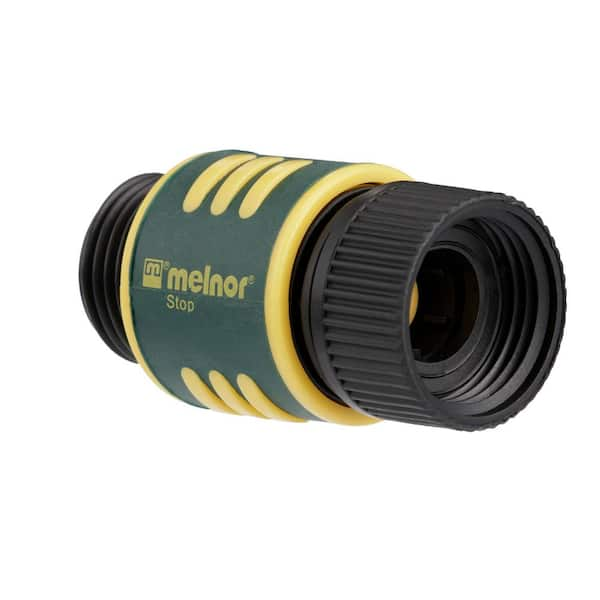
A double male connector is handy for joining hoses. It features two male ends. Each end fits into a hose’s female end. This connector is usually made of durable material. Brass or plastic are common choices. Ensure both hoses have compatible female ends. Simply insert the connector into both hoses. Tighten the fittings for a secure connection. This method is straightforward and quick.
Employing A Coupling
A coupling is another useful tool. It connects hoses with ease. The coupling fits between two hose ends. It is often made from sturdy materials. Brass is a popular choice for couplings. Start by ensuring both hoses have male ends. Insert each hose into the coupling. Tighten the screws to secure the connection. This method prevents leaks effectively. It provides a strong bond between hoses.
Credit: www.homedepot.com
Maintenance Tips
Proper maintenance extends the life of your garden hoses. It ensures they work efficiently. Neglect can lead to leaks and reduced water flow. By following these simple tips, you keep your hoses in top condition.
Storing The Hoses
Store hoses in a cool, dry place. This prevents them from cracking. Coiling them neatly avoids kinks and tangles. Use a hose reel for organized storage. Keep them off the ground to protect from pests. In winter, drain them completely to avoid freezing.
Regular Inspection
Check your hoses regularly for signs of wear. Look for cracks, holes, or leaks. Examine the connectors to ensure they are tight. Test water flow to detect any blockages. Clean the hose ends to remove debris. This ensures a smooth connection between hoses.
Credit: www.reddit.com
Frequently Asked Questions
How Do I Connect Two Garden Hoses?
To connect two garden hoses, use a hose connector. Attach one end to the first hose and the other end to the second hose. Ensure the fittings are tight to prevent leaks. This method is simple and efficient for extending your hose length.
What Type Of Connector Should I Use?
Use a brass or plastic hose connector for durability and compatibility. Brass connectors are more robust and long-lasting. Plastic connectors are lightweight and cost-effective. Choose based on your budget and usage needs. Both types ensure a secure connection between hoses.
Can I Connect Hoses With Different Diameters?
Yes, you can connect hoses with different diameters using an adapter. An adapter bridges the size difference between hoses. Ensure the adapter fits both hose sizes securely. This allows for seamless water flow between hoses of varying diameters.
Is It Safe To Connect Multiple Hoses?
Yes, connecting multiple hoses is safe if done correctly. Ensure each connection is tight to prevent leaks. Use quality connectors to maintain water pressure. Regularly check connections for wear. This ensures efficient water flow and extends your watering reach.
Conclusion
Connecting two garden hoses can simplify watering tasks. Start by choosing the right connectors. Secure the hoses tightly to prevent leaks. Check the water flow after connecting. Use washers for a snug fit. Regularly inspect the hoses for wear. This ensures efficient watering for your garden.
Proper connection saves time and effort. It’s an easy task, even for beginners. Enjoy your gardening with less hassle. Remember, a well-connected hose makes a big difference. Keep your garden thriving with this simple trick. Happy gardening!